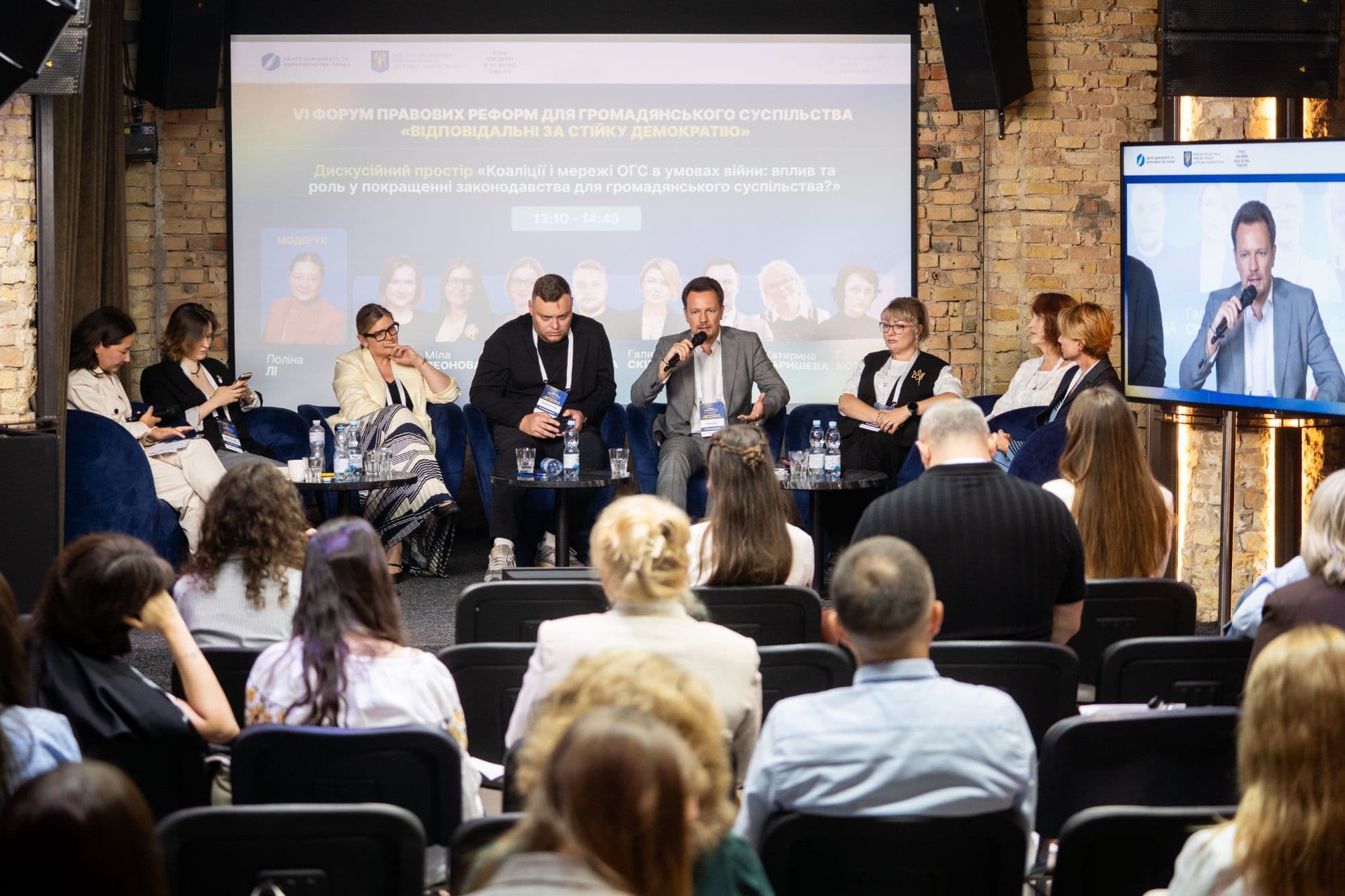
On 16 September, Kyiv hosted the VI Forum of Legal Reforms for Civil Society «Responsible for a Resilient Democracy». It was organised by the Centre for Democracy and Rule of Law with the support of the Sigrid Rausing Trust, the International Renaissance Foundation, and in partnership with the Kyiv City State Administration. The Forum became one of the flagship events of the IV Civil Society Week.
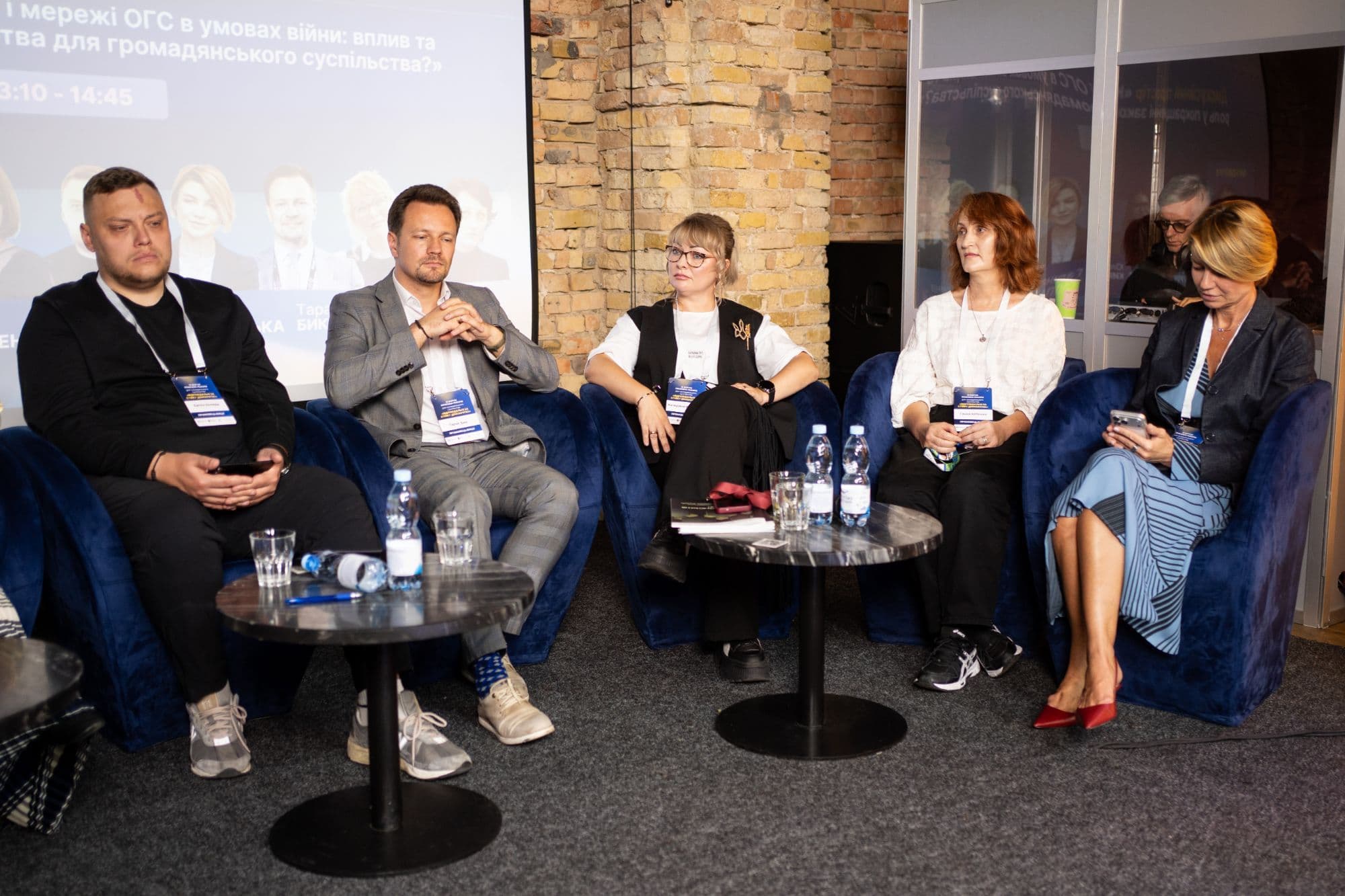
Hanna Kotenko, Head of the Coalition of Social Service Providers and Executive Director of NGO «100% Life Rivne Network», took part in the panel discussion «The role of CSO coalitions and networks». She was joined on the panel by representatives of the «League of the Strong», the Alliance of Ukrainian Civil Society Organisations, the «Coordinating Humanitarian Centre», the «Recovery and Development Agency», the International Charitable Foundation «Ukrainian Public Health Foundation», the Defence First coalition, and the CPLR.
This year's programme brought together civil-society organisations, government representatives, business, and international partners around four themes: CSO demands for changes in the legal framework, preparation of a new National Strategy for the Development of Civil Society, the role of CSO coalitions and networks in improving legislation and in European integration, and dialogue between authorities, civic organisations and business within the 6th Contest of Cooperation Stories.
The panel moderator emphasised the distinctive feature of the Coalition: its members not only advocate for change but also deliver services to people in communities every day. This is exactly the kind of experience Hanna Kotenko brings from Rivne. NGO «100% Life Rivne Network» operates both as a service provider and as an organisation that supports smaller CSOs in other regions — in particular, within the project of an integrated response to protection and support of vulnerable groups in Sumy Oblast communities, with support from the International Organization for Migration (IOM), funded by Germany's Federal Ministry for Economic Cooperation and Development through the German development bank KfW.
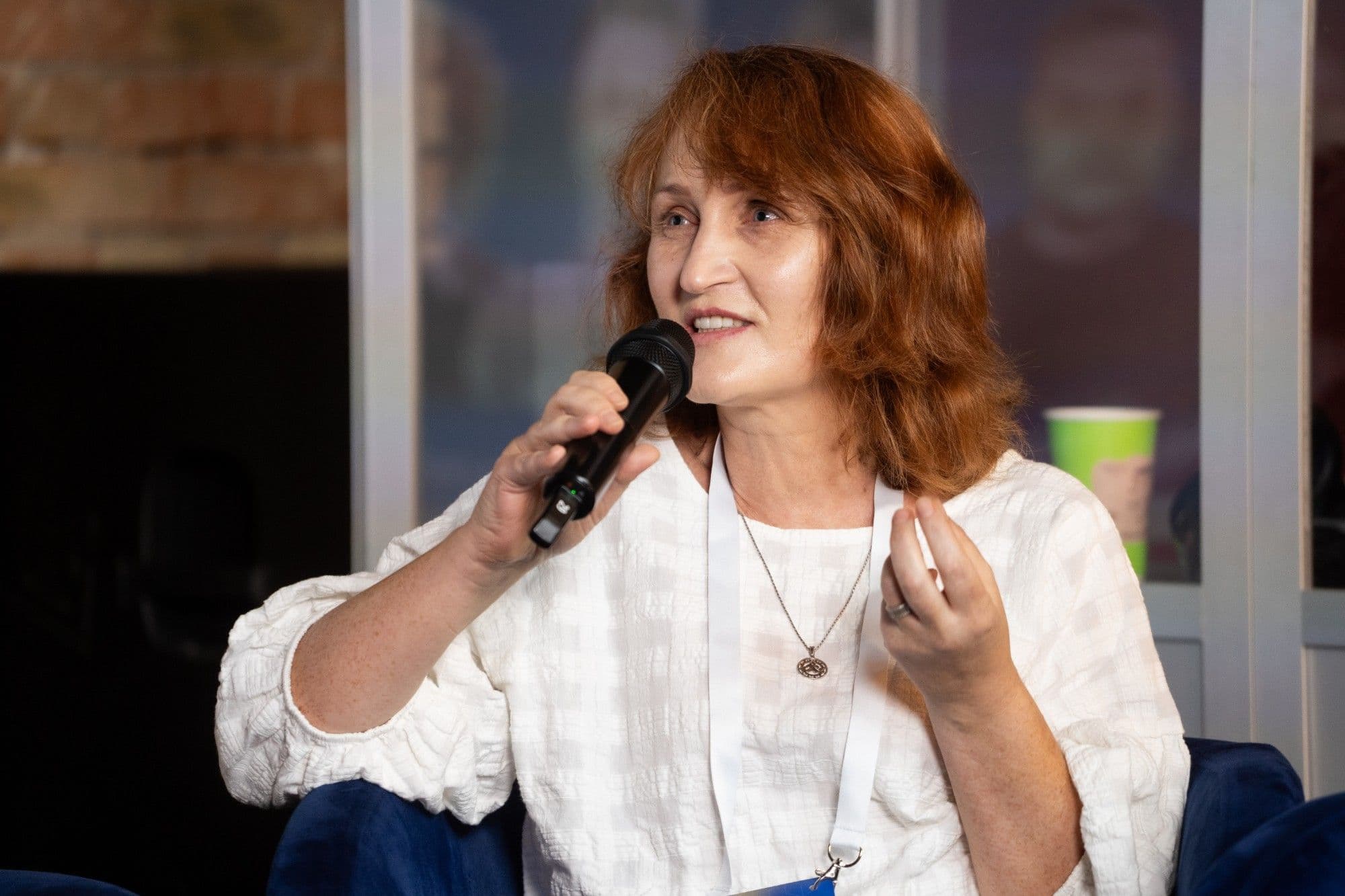
Hanna Kotenko began her remarks with why people are becoming the country's main resource:
If we think a little into the future, we see that things are getting cheaper — this is an objective fact. And people are becoming more expensive. Especially in Ukraine, because of this war, people are very expensive. This is the most precious thing we have. And that is why the task of the entire state will be to make people's quality of life better. And we, as social-service providers, are essentially created for this too. — Hanna Kotenko, Head of the Coalition of Social Service Providers
She underscored the gap between statistics and the reality of communities:
Right now, when we say we have 170,000 organisations, we hear from communities that they have no service providers. When we say we need a competitive market of social services, communities say: if only someone were there, what competition are you talking about? And so if we say a person is the core value, then those who help this person return to their normal life, who support them in a difficult moment, in difficult circumstances, must also be a value. — Hanna Kotenko
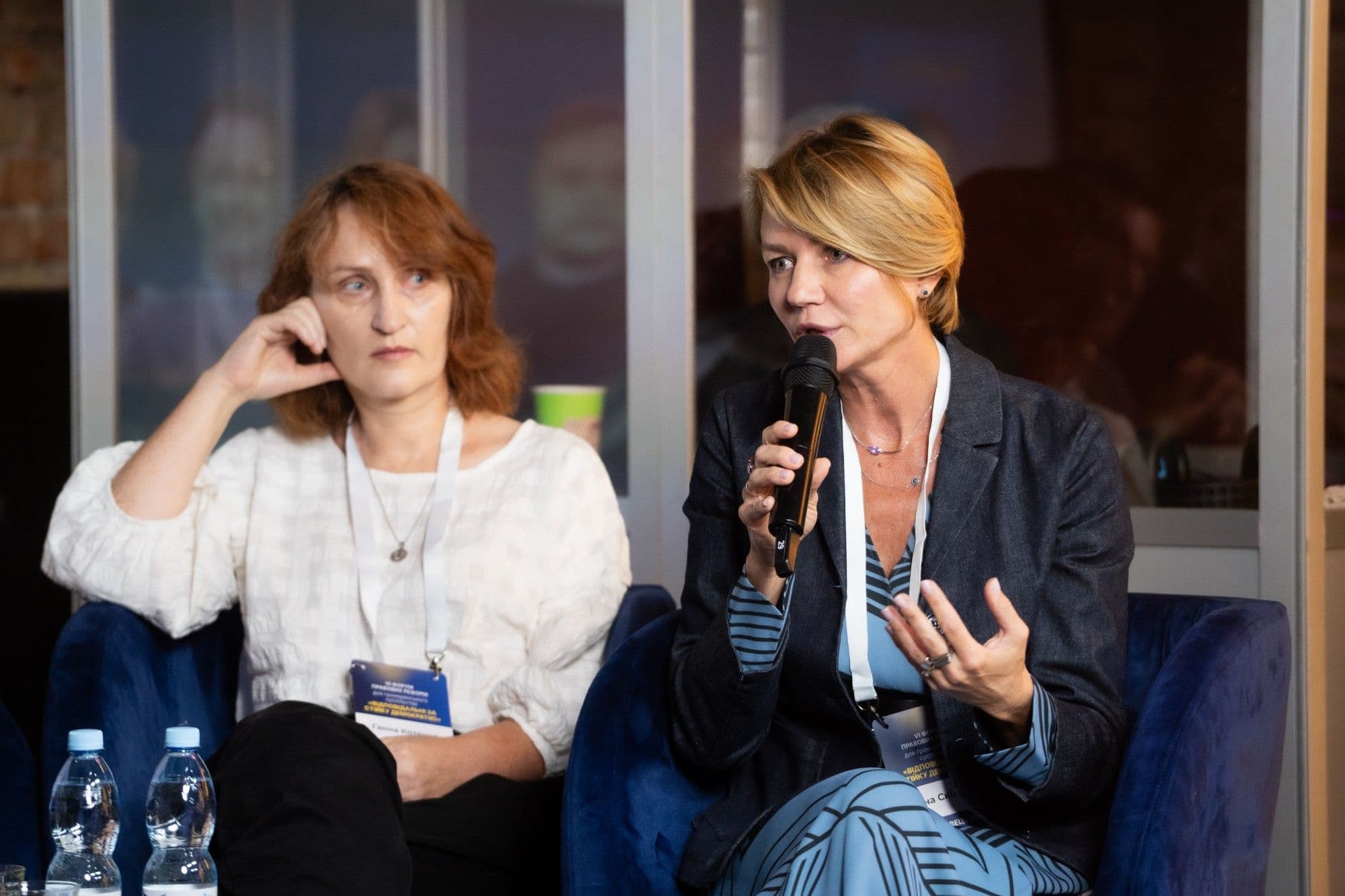
Hanna Kotenko also explained why organisations in the social sector need a coalition. They have to develop in three directions at once, and advocacy is the hardest of the three.
It is hard for them to advocate, because they often depend on the authorities: at the very least, the authorities give them premises, and someone can always manipulate their clients. Nor is the organisation left with the right not to grow — to stand still, it has to run. You were created to help these 18 children, but to keep helping these 18 children, you must build capacity, otherwise you take a risk — and we are all traumatised by USAID: one donor leaves, and your clients are left without support. — Hanna Kotenko
Hence her vision of what a coalition should take on:
Building advocacy capacity, but doing so as gently as possible — so as not to tear service providers away from delivering services, so that organisations do not have to grow into something big, and to give them the right to stay small, to work for their clients and develop in depth rather than grow constantly just to survive. That, probably, is another reason a coalition is needed: so that some functions can be delegated to others, so that the resources of another organisation can be brought in. — Hanna Kotenko
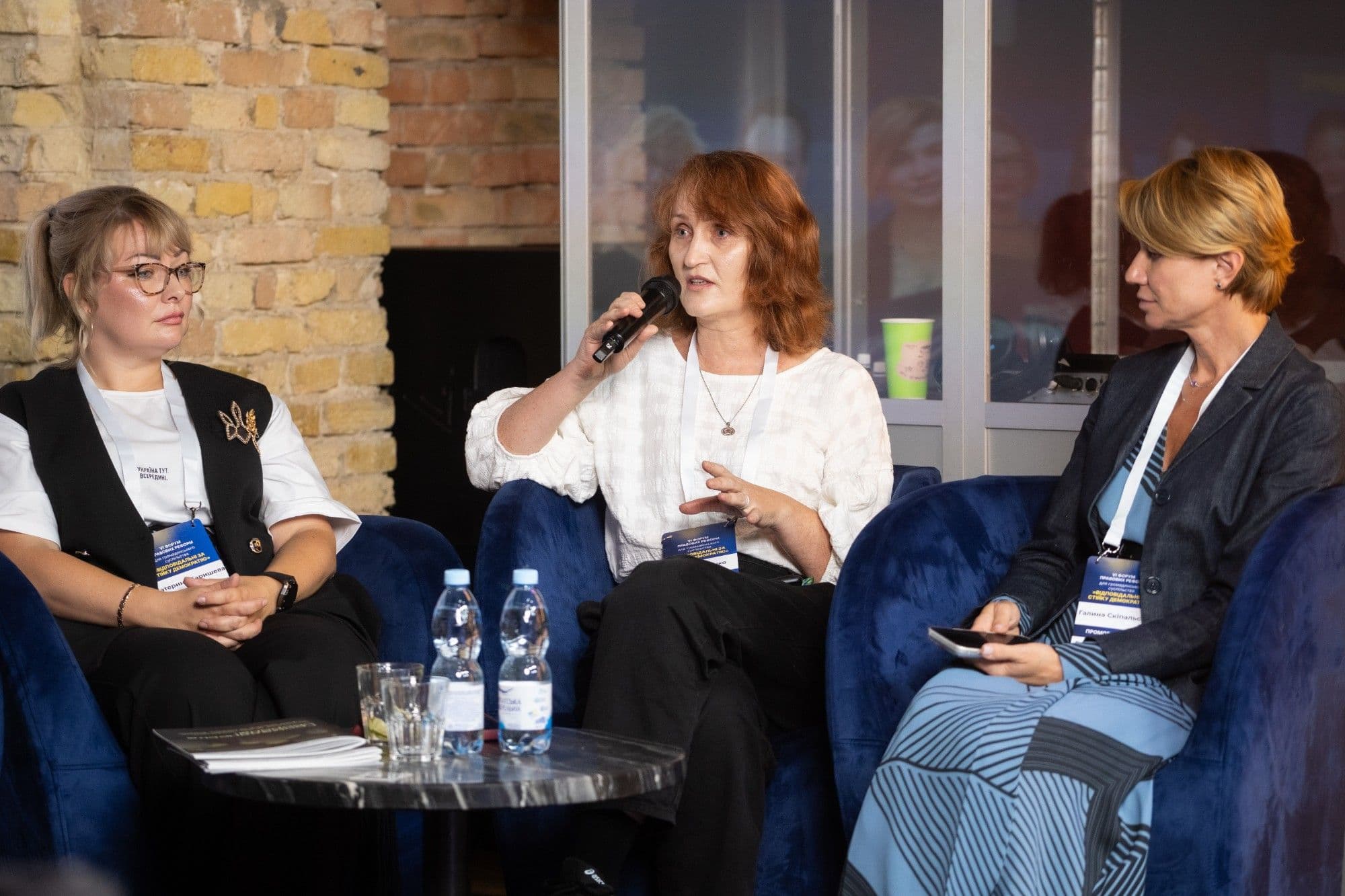
As an example, she pointed to the security capacity of organisations in Sumy Oblast, where the team of «100% Life Rivne Network» works together with local service providers. Small organisations have long operated in frontline conditions but cannot afford a security specialist — and it is precisely the coalition that could provide a shared resource and security audits, without distracting the organisations from their core work.
Hanna Kotenko also stressed the importance of the participation of unprotected groups already at the stage of forming regional strategies:
For us right now the main value is that, when regional dialogues begin, when regional strategies are formed, unprotected groups are not always represented by very capable organisations. And it is important for us not to lose the voice of these people. We must ensure their visibility, their presence, and their participation — participation as early as the strategising stage. Not once the community has already decided which services it needs and invited an organisation to a discussion. — Hanna Kotenko
Responding to the moderator's question about the legislative and budgetary changes needed for the state and communities to systematically procure social services from CSOs, Hanna Kotenko noted that the Law on Social Services already contains progressive solutions supported by the relevant ministry — the question is why they are not moving further:
We have organisations that are very strong in delivering specific services, and we would gladly get involved in developing the standards for these services. We constantly hear from officials: what standards, that's a huge amount of work, you need to bring in people to advance it, to work on it, to gather opinions and then systematise them. We are ready. — Hanna Kotenko
Summing up her remarks, she said:
Right now I have more questions than answers. But what I do agree with are the theses that we will win, that the core value is the person, and that we must unite. — Hanna Kotenko
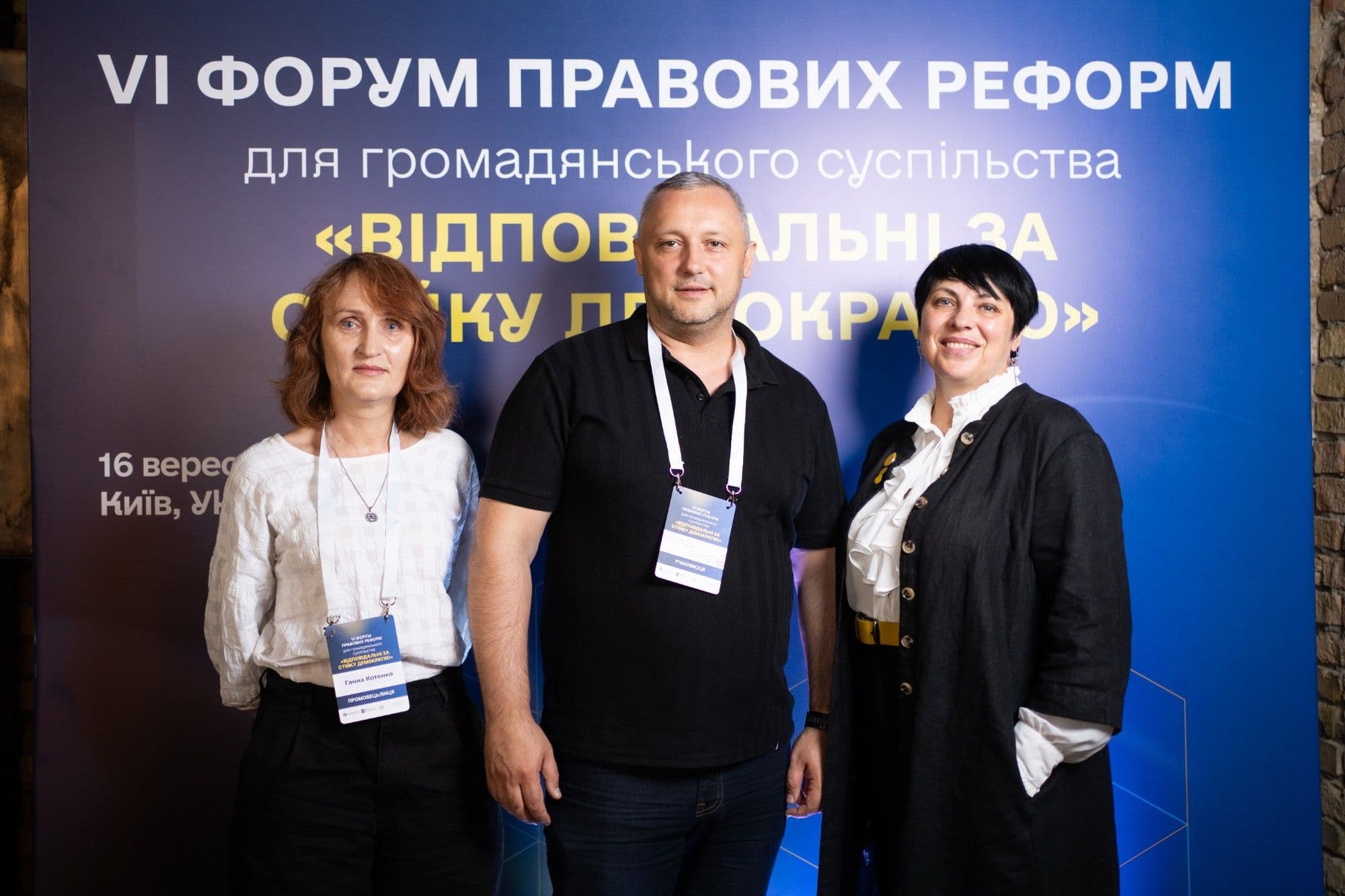
The Coalition is grateful to the organisers for the platform and continues its work to ensure that the voice of social-service providers is taken into account in the new National Strategy for the Development of Civil Society.